
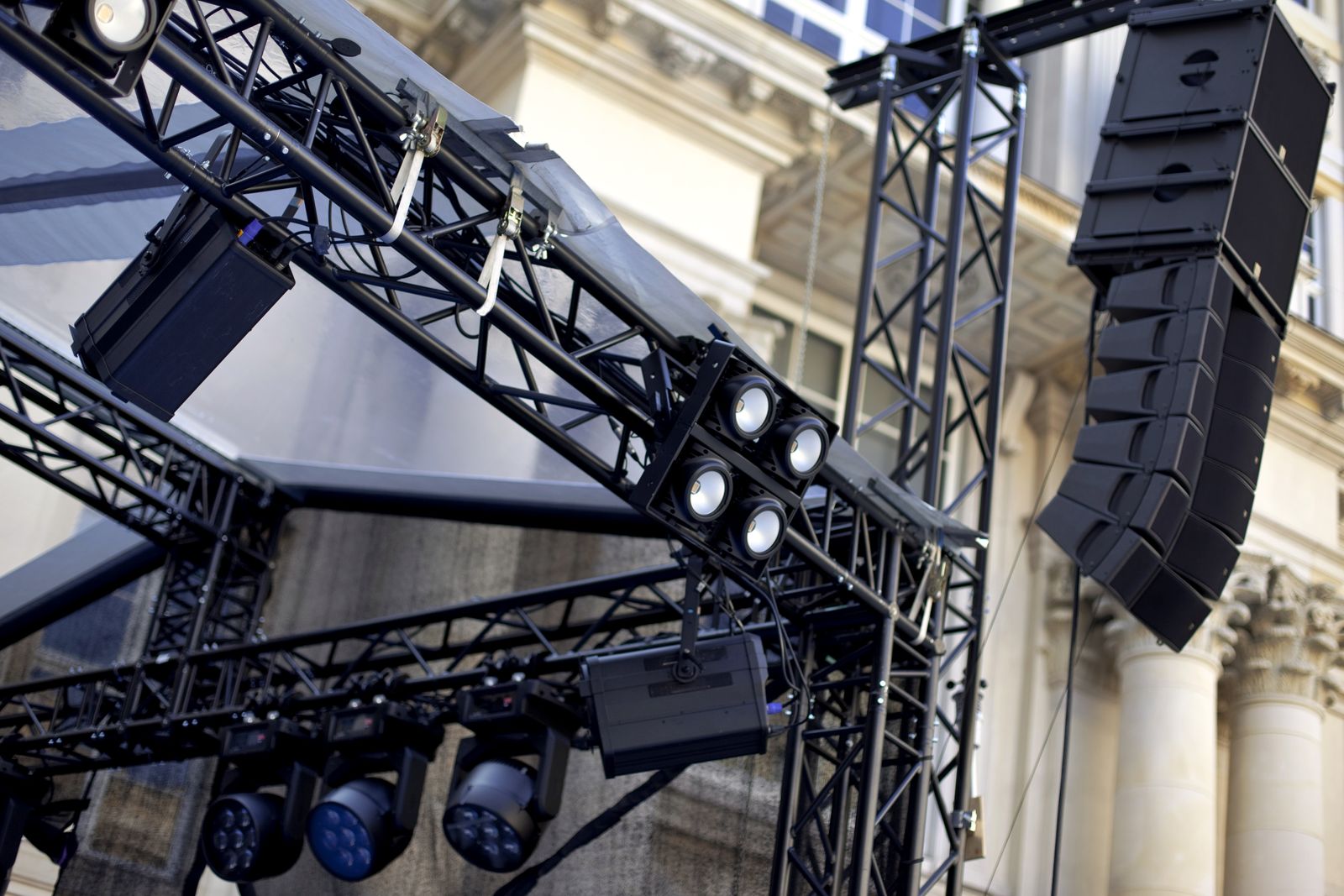
Sound for events
Sound rental in Seville, set up and tested
We tell you what equipment your event needs, bring it, set it up and leave it sounding great. From two speakers for a First Communion party to a complete PA system for several thousand people.
- Area
- Seville and province
- Set-up
- Included
- Technician
- Quoted separately
- Response
- Under 24 h
Where to start
What sound rental actually means
Hardly anyone who calls us knows how many watts they need, and there is no reason they should. What they do know is how many people are coming, where, and what is going to happen. That is all it takes to size a sound system.
An event sound system is not just "a big speaker". It is a chain: a source (microphones, a laptop, a DJ, a band), something that mixes and processes those sources, and loudspeakers that spread the result across the space at the right level. If any link in the chain is poorly chosen, you notice: speech is unintelligible, music sounds thin, or there are parts of the venue the sound never reaches.
What the rental includes
In our quotes, transport, set-up, cabling, sound check and collection are included unless stated otherwise. What is quoted separately is the technician who stays for the event, and only when one is genuinely needed. We go into detail in our guide on what a sound rental does and does not include.
The three questions that decide everything
- How many people? Not to impress anyone, but because an audience absorbs sound and forces you to raise the level. A hundred people in a function room and a hundred people in a garden do not need the same system.
- Indoors or outdoors? Indoors, the walls reflect energy back and the problem is usually reverberation. Outdoors, nothing reflects anything back: you need more equipment for the same result.
- What will be playing? A speech needs intelligibility and little bass. A DJ needs subwoofers and punch. A live band also needs stage monitors and many more mixing console channels.
Equipment
What we rent, piece by piece
Each page explains what that equipment is really for, when it makes sense and what is usually ordered with it. If you are not sure where to start, start with speakers.
Speakers
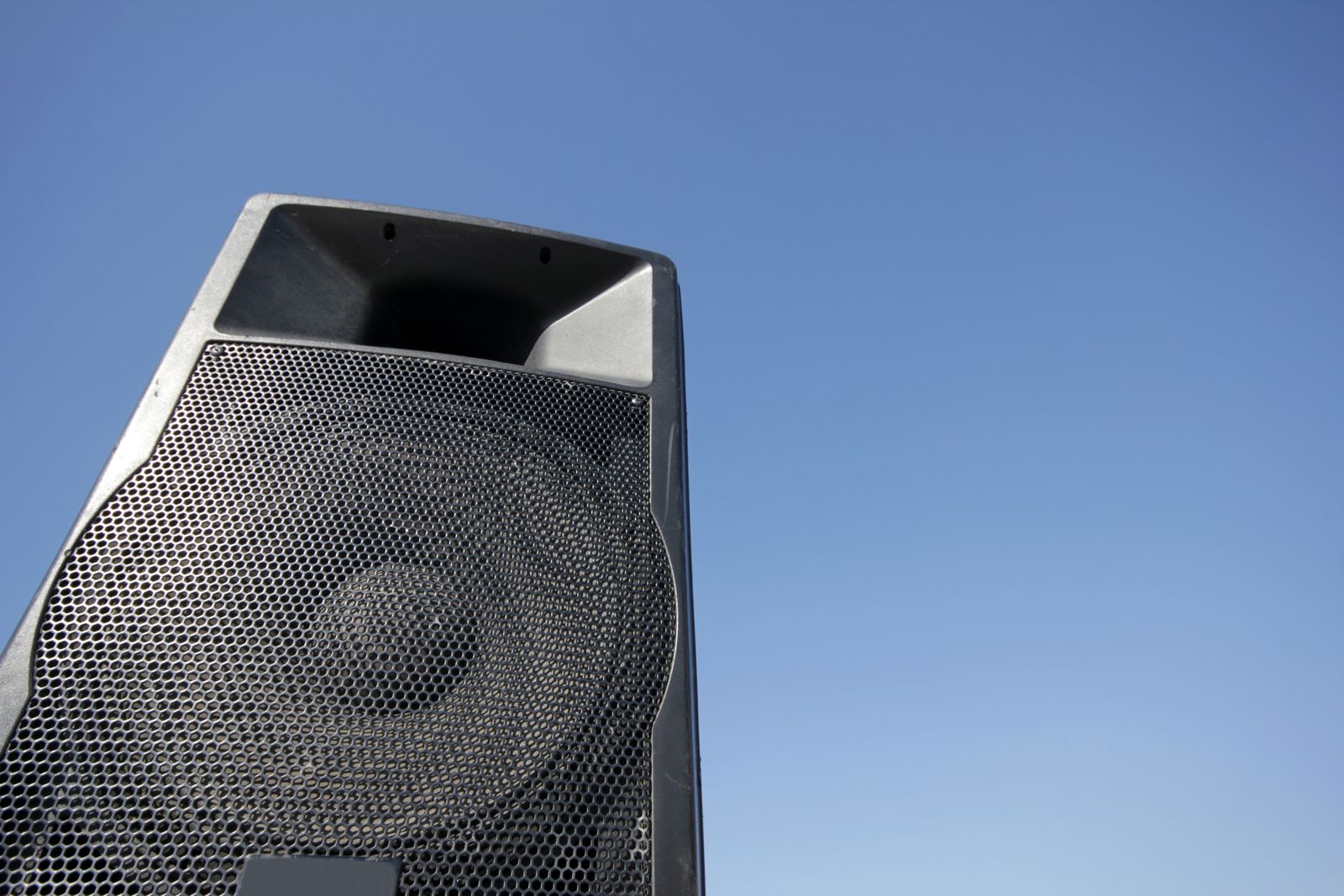
Speakers
Active and passive, with stands and cabling. The basis of any set-up, from a First Communion party to a Feria caseta.
View details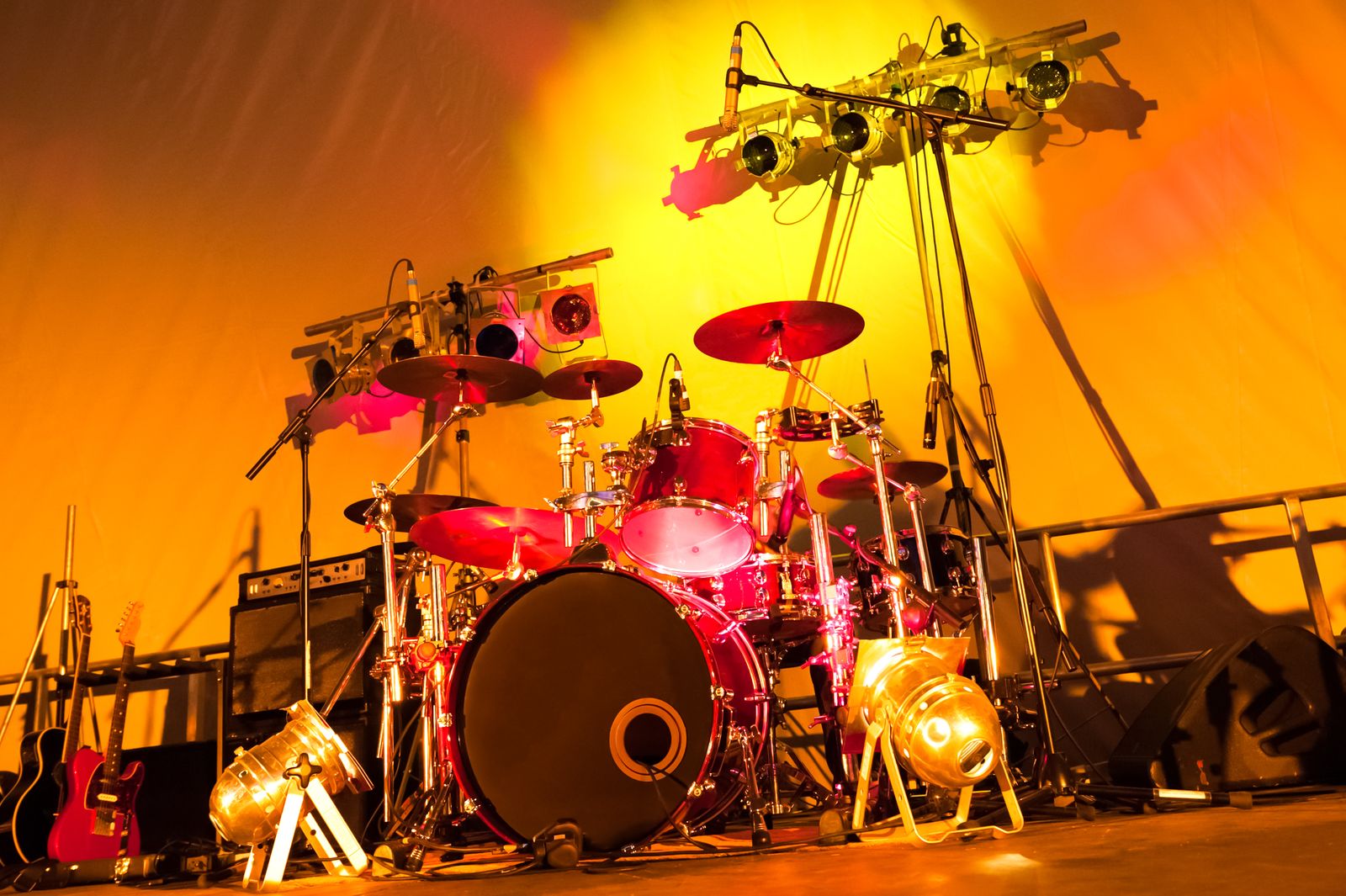
Large format
Line array
When the venue is long or the audience large, and it has to sound the same in row 3 as in row 30.
View details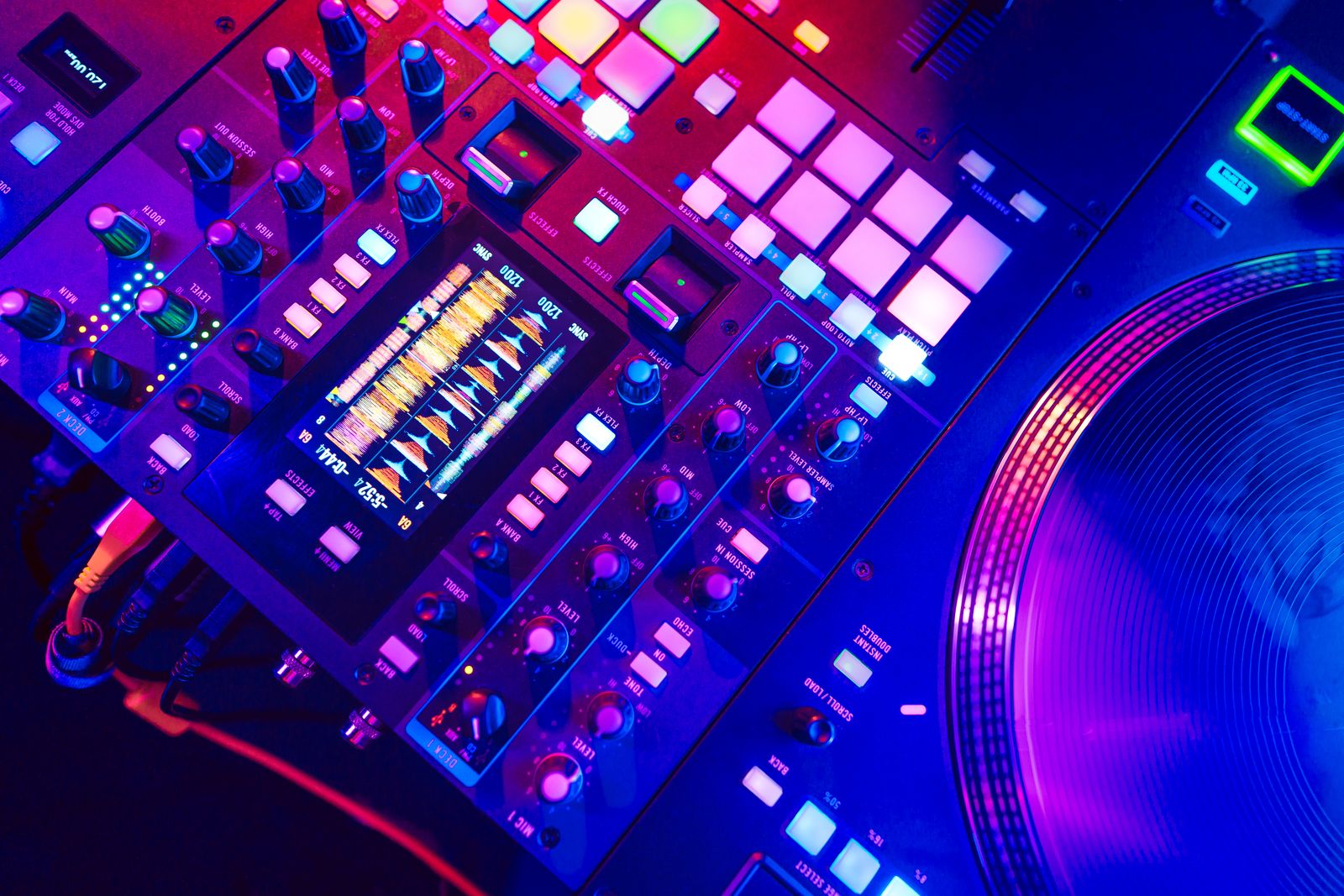
Bass
Subwoofers
What turns "you can hear the music" into "you can dance to the music". Essential with a DJ.
View details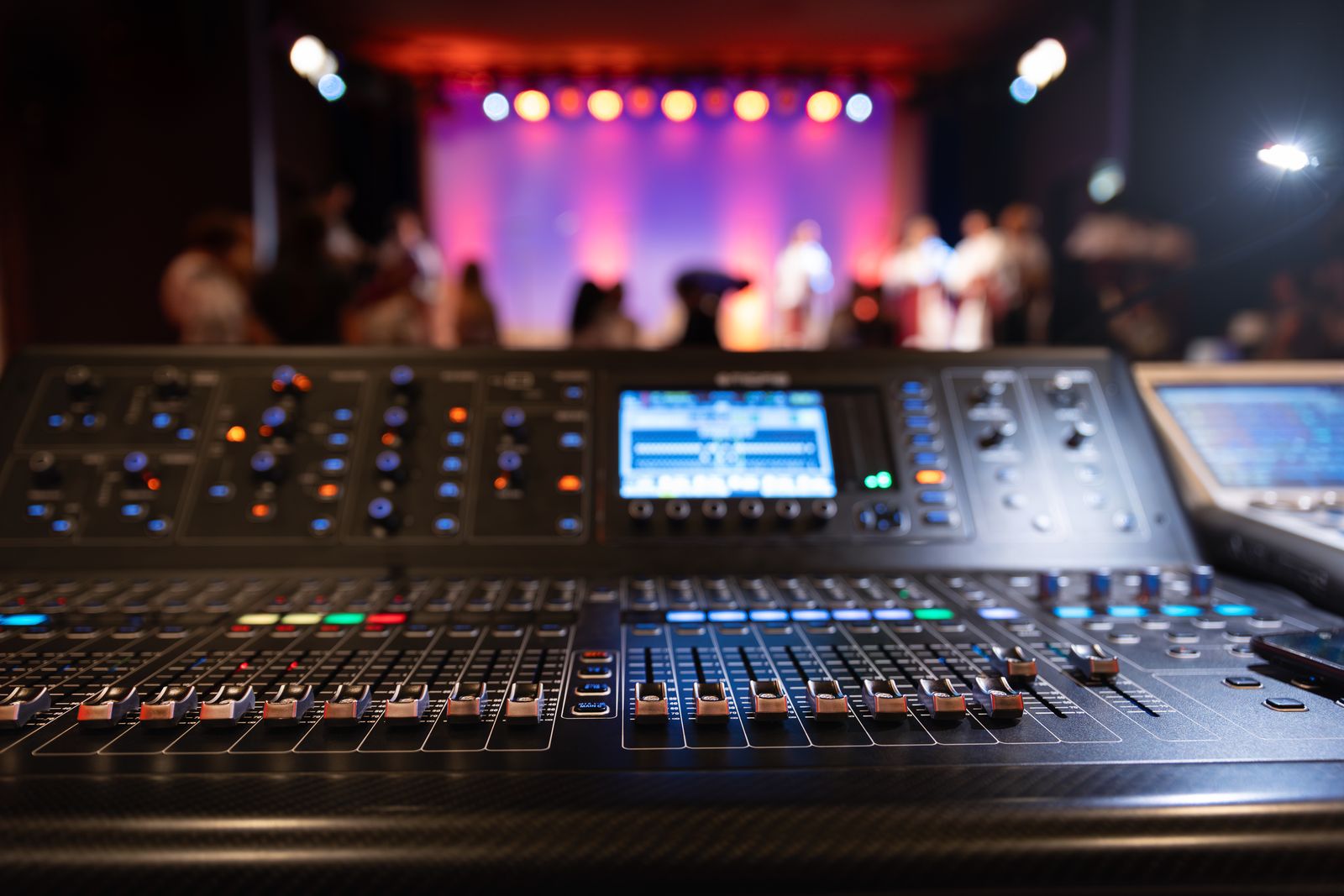
Control
Mixing consoles
Analogue for simple jobs, digital when there are lots of channels, scenes or a stagebox.
View details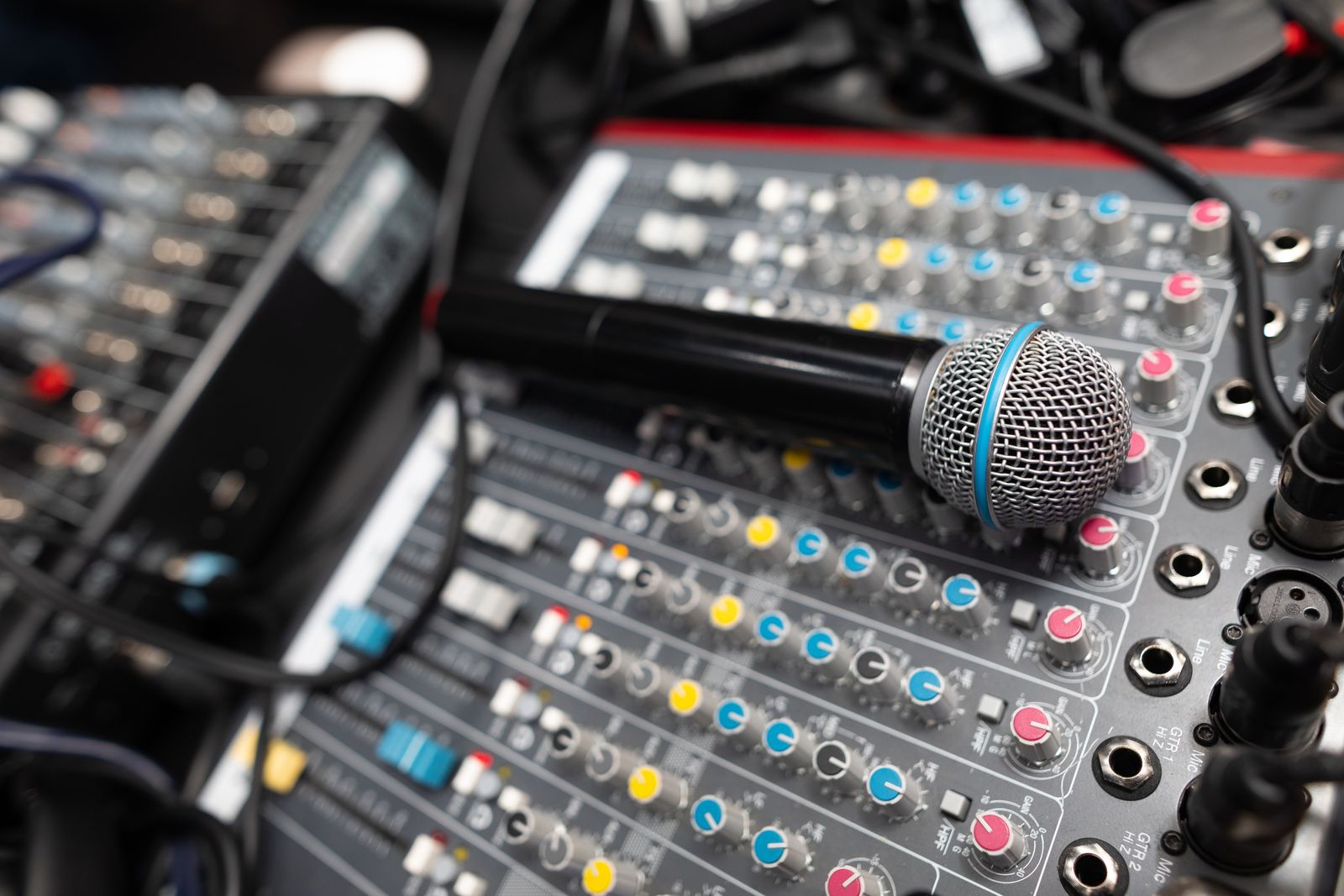
Voice
Microphones
Handheld, instrument, ambient and lectern mics. The cheapest piece of kit and the one that saves the most events.
View details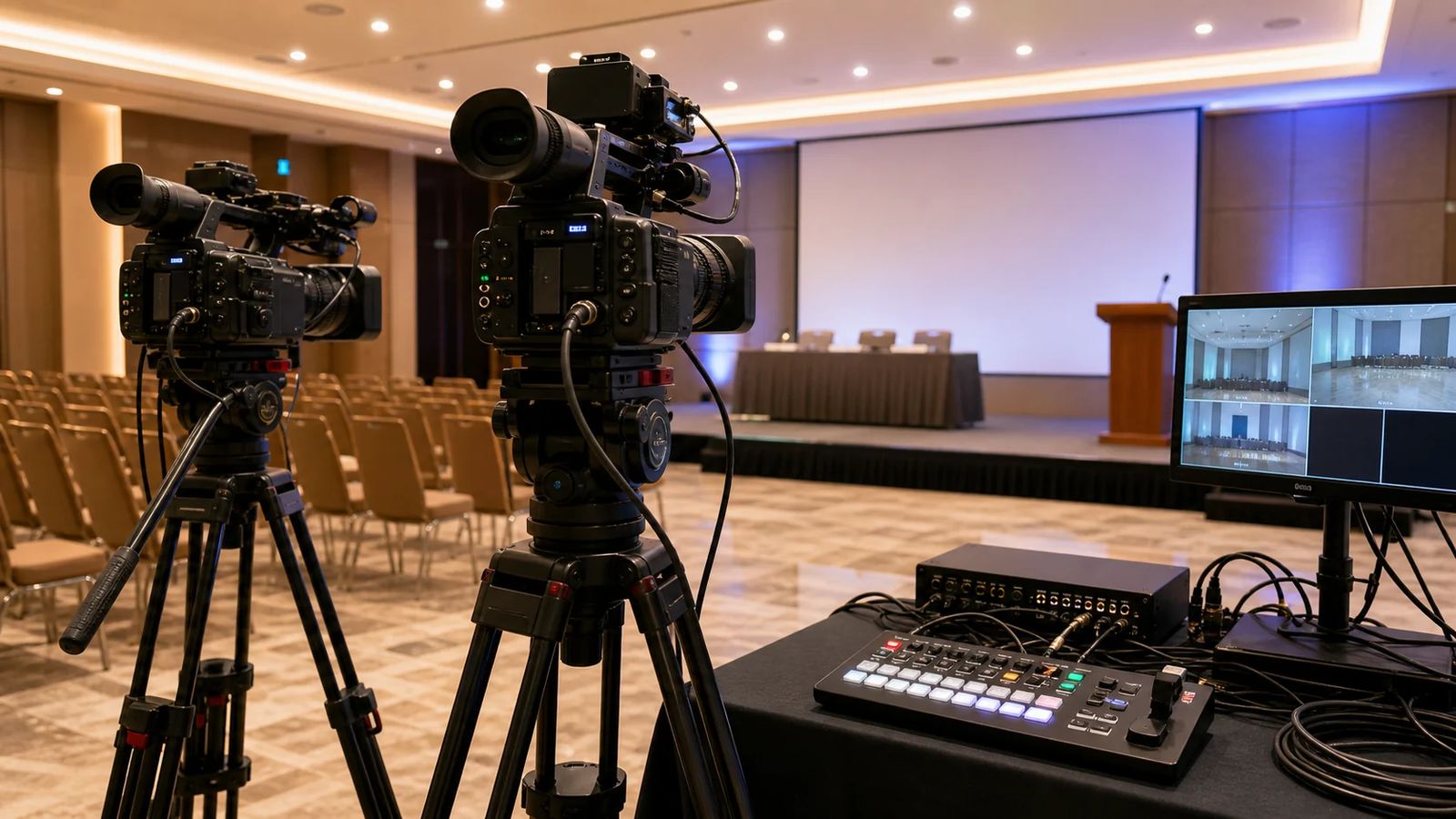
Cable-free
Wireless microphones
Handheld, bodypack, headset and lavalier, with coordinated frequencies so they don't interfere with each other.
View details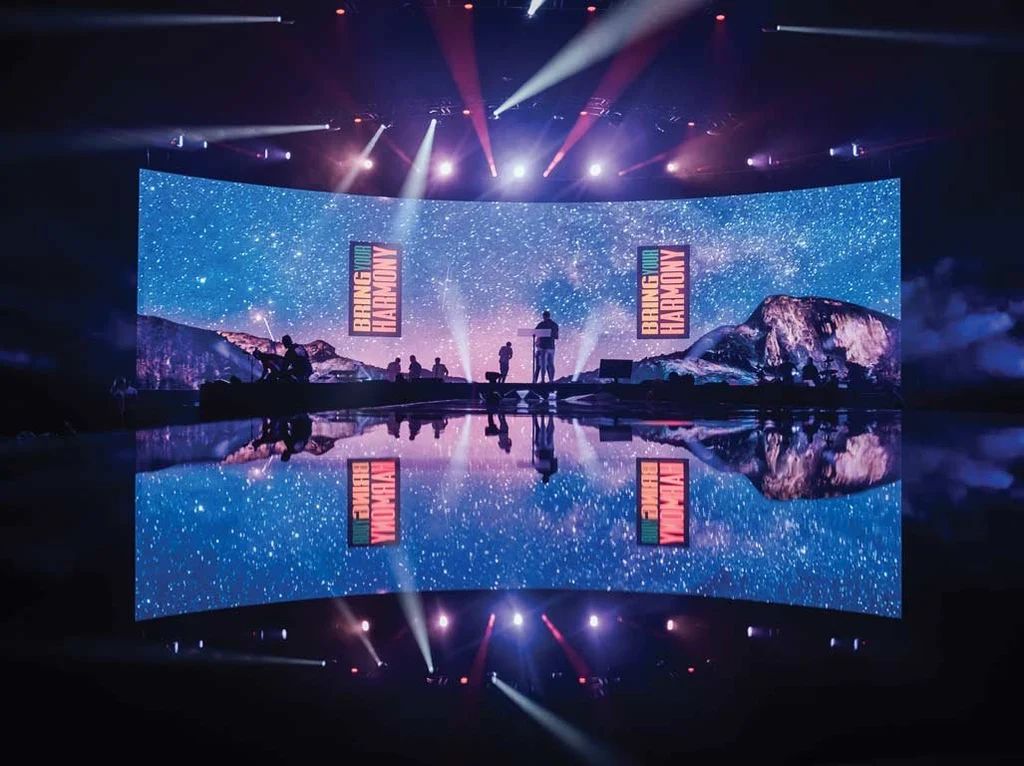
Stage
Stage monitors
So the singers can hear themselves. Without them, a live show goes out of tune by the first song.
View details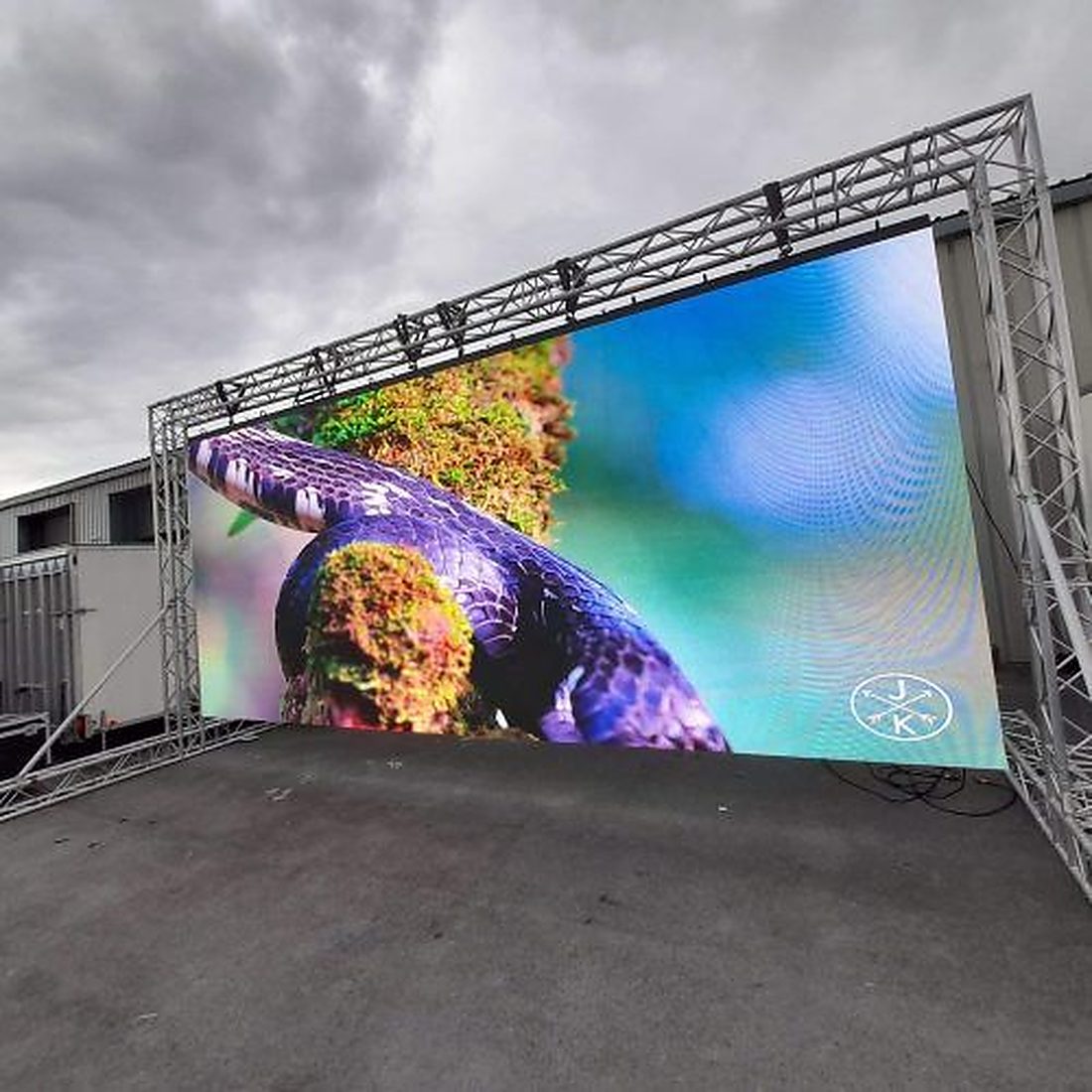
Public address
PA system
Ceremonies, proclamations (pregones), processions and sport: wide coverage and clear speech, no music.
View details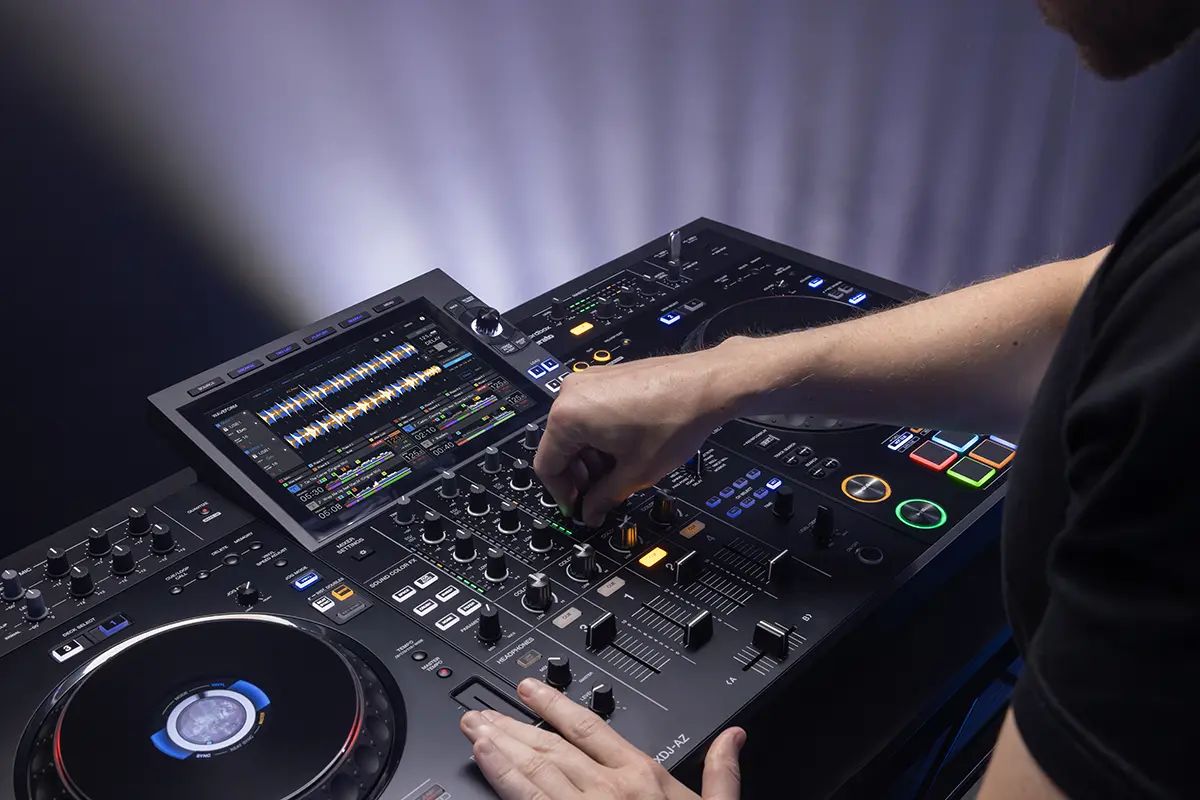
DJ
DJ equipment
A complete DJ booth: players, mixer, booth monitor and output to the PA, ready to go.
View details
Sizing
How to choose the equipment without talking about watts
The watts in the brochure tell you little. What matters is the area to be covered, the distance to the furthest guest and the type of music.
A system is sized by coverage and headroom. Coverage means the sound reaches everyone at a similar level; headroom means the equipment works comfortably, without being pushed to the limit all night. An undersized system sounds bad even if the wattage adds up: it distorts, compresses and tires your ears within half an hour.
Indoors versus outdoors
In an enclosed room the problem is rarely power, it is reverberation. There you want less level and better aiming: speakers set lower, closer to the audience and with the bass under control, or speech turns to mush. Outdoors it is the other way round: every metre the audience moves away costs energy, and beyond a certain distance two speakers on stands simply cannot do any more. That is the point where a line array or a distributed system comes in.
What changes depending on what is playing
For speeches, award ceremonies and presentations, a modest, carefully equalised system is enough; what matters are the microphones and avoiding feedback (we explain how to really avoid it). For dancing you need subwoofers and some reserve power. For a live band everything multiplies: more channels, monitoring, stage lines and, almost always, backline. If the band has sent you a rider and you can't make sense of it, here we explain how to read it without being a technician.
Power supply, the thing everyone forgets
Before confirming a set-up, we ask about the power supply. A garden with an extension lead from the kitchen cannot handle a system with subwoofers and lighting. If the venue does not have an adequate distribution board, we plan a generator (here is how to work out how many kW you need) or opt for battery-powered equipment.
Quick reference
What we typically set up for each case
This is a guide, not a price list. The space is what decides: a narrow courtyard and an open square with the same capacity call for different set-ups.
| Capacity | Typical use | Usual starting point |
|---|---|---|
| Up to 50 people | Speech and background music | One active speaker on a stand, a small mixer and one microphone |
| 50 – 150 | Celebration with dancing | Two speakers, one subwoofer, a mixer and two wireless microphones |
| 150 – 400 | Party, Feria caseta or verbena | Front-of-house system with subwoofers, digital mixing console and booth monitor |
| 400 – 1.000 | Live show or concert | Properly sized PA, stage monitoring, 32-channel mixing console and technician |
| More than 1,000 | Festival or large venue | Line array with subwoofers, front-of-house control and a full technical crew |
Common mistakes
What goes wrong most often
Asking for power and forgetting the microphones. Most scares at an event come from the vocal side: a microphone running out of batteries mid-speech, a badly positioned headset mic, two wireless units on the same frequency. It costs little to plan for and ruins the occasion if you don't.
Setting up on the morning of the event. If the event starts at 20:00 and you can only access the venue at 19:00, there is no sound check, just improvisation. When a venue forces that on us we say so in advance and adapt the set-up so it is realistic.
Not asking about the sound limiter. Many function rooms, casetas and indoor venues in Seville have a sound limiter, and an oversized system spends the whole event cutting out. It is worth checking beforehand whether it is mandatory in your case and how much real headroom it leaves, as well as the local noise regulations.
Leaving equipment out in the open. Neither rain nor the August sun at four in the afternoon is kind to a power amplifier. Outdoors, a marquee, a roof or a covered stage is planned from the quote stage, not the day before.
Booking late. The Feria, May, June, September and Christmas fill up first. Here are the real booking lead times by season.
How we work
What comes with the equipment
We advise you before quoting
We ask about the space, the schedule and what is going to happen. If it can be done with less equipment, we say so, even if the quote goes down.
Transport and set-up included
We deliver, set up, run the cables neatly and collect everything at the end. You don't carry a thing or hunt for a van.
Sound check before showtime
We set gain, EQ and coverage before the first guest arrives, not while they are arriving.
Equipment checked before it leaves
Every piece of equipment is tested in the warehouse before loading. Microphones go out with fresh batteries.
Backup for critical items
For events that cannot stop, we bring duplicates of whatever could fail: microphones, cabling and an emergency signal path.
A single point of contact
You talk to the person who will set up your event, not to a salesperson passing on the message.
The full sound catalogue
Sound equipment for rent in Seville
All our sound pages, so you can go straight to the one you need.
Frequently asked questions
Common questions before renting sound equipment
Can you give me a price over the phone?
A rough price range, yes, as soon as we know the capacity, town and schedule. We send you the final price in writing within 24 working hours, because it changes a lot if equipment has to be carried up without a lift, if set-up is the night before or if a generator is needed. In prices and quotes we explain what makes a set-up more expensive.
Can I rent just the equipment and set it up myself?
Yes, for simple equipment: a pair of speakers on stands, a small mixer and microphones. We hand it over tested and explained. For line array, flown speakers, truss or any rigging at height, we do the set-up: it is a matter of safety, not business.
Do I need a technician during the event?
It depends. For background music and two microphones, no. For live shows, conferences with several speakers or any event with lots of changeovers, yes. We go into more detail in sound with technician.
Do you cover the whole province?
Yes. We travel out from Seville city and reach towns across the province the same day. Check your town in service areas.
What happens if the equipment fails in the middle of the event?
That is why we carry spares of whatever tends to fail and, if a technician is on site, it gets sorted without the audience noticing. If there is no technician, we leave the system set up simply and keep a phone line open throughout the event.
Can you also take care of lighting and screens?
Yes, and it works out better that way: same truck, same crew and a single invoice. You will find lighting and audiovisual equipment in their own sections.
Equipment
The equipment, set up and cabled
This is the equipment this page talks about, and how it looks once it is set up.
Tell us about your event and we'll tell you what it needs
Date, town and number of guests. That is enough for us to point you in the right direction, and your quote arrives within 24 hours.
